5 results
APRIL 2, 2026 / Web
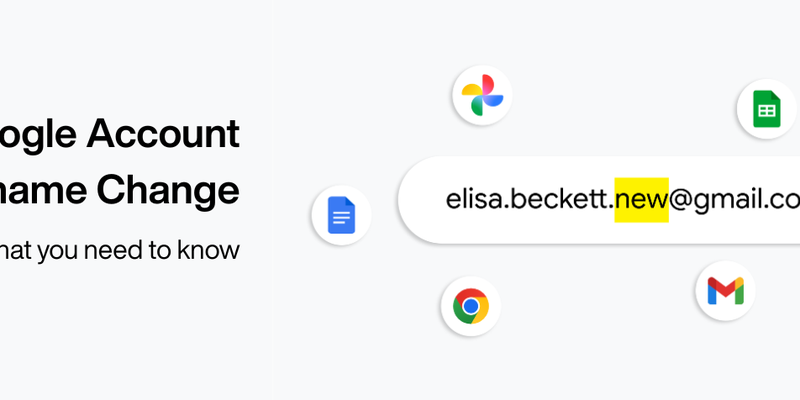
Google has updated its account settings to allow U.S. users to change their @gmail.com usernames while keeping all existing account data and inboxes intact. For developers, this means that while old email addresses will remain active as aliases, apps that rely solely on email addresses for identification may face issues with account duplication or lost access. To ensure a seamless user experience, Google recommends migrating to the "subject ID" as the primary user identifier and allowing users to manually update their contact information within app settings.
JULY 24, 2025 / AI
Apigee helps enterprises integrate large language models (LLMs) into existing API ecosystems securely and scalably, addressing challenges like authentication and authorization not fully covered by the evolving Model Context Protocol (MCP), and offering an open-source MCP server example that demonstrates how to implement enterprise-ready API security for AI agents.
APRIL 28, 2025 / Mobile
Updates to the Google Auth Platform include changes to OAuth configuration, client secrets display, and automatic deletion of unused clients, making the platform more secure and easier to use.
OCT. 8, 2024 / Cloud
The Google Chat API has been launched, allowing developers to build Chat apps that enable real-time collaboration between Google Chat and other systems.

OCT. 2, 2023 / Android
New Chrome extensions will be required to use the Chrome Identity API method for authorization.